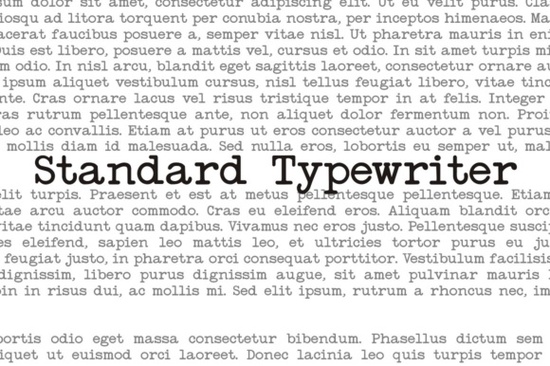
If you’ve ever wanted to recreate the nostalgic look of old typewritten letters or vintage office documents, Standard Typewriter Font is a straightforward choice that gets the job done without fuss. It’s a clean sans serif typeface designed to mimic the output of classic typewriters think consistent spacing, no frills, and that unmistakable mechanical rhythm in every character. Whether you’re designing greeting cards, packaging labels, or branding materials with a retro vibe, this font adds authenticity without overwhelming your layout.
What makes it especially useful is how well it pairs with other fonts in your toolkit. For example, if you’re layering text for posters or social media graphics, try combining it with something like Sage Averal for contrast the serif elegance balances out the utilitarian feel of Standard Typewriter. Or, if you’re going for an editorial magazine spread, The Stripes Editorial brings structure while letting your typewriter-style headlines stand out as intentional design choices, not accidents.
Who actually benefits from using this font?
It’s not just for nostalgia lovers. Print-on-demand sellers use it for t-shirt quotes that look hand-typed. Small business owners apply it to packaging or receipts to create a “locally made” or “handcrafted” impression. Crafters love it for journaling kits, scrapbook titles, or printable planner pages that need a tactile, analog feel. Even web designers sometimes drop it into hero sections or callouts when they want to break away from sleek modernism and add personality.
One thing to note: because it’s monospaced (each letter takes up the same horizontal space), it doesn’t always work for long paragraphs on screens. But that’s part of its charm it’s meant to be used intentionally, not as your default body text. Think headlines, captions, logos, or short blocks where rhythm matters more than readability at small sizes.
How does it compare to other typewriter-style fonts?
There are dozens of typewriter fonts out there, but many lean too heavily into grunge effects or uneven ink simulation. Standard Typewriter keeps it minimal no smudges, no paper texture baked into the glyphs. That gives you full control. Want to add wear and tear? Layer it over a textured background or use clipping masks. Prefer crisp, clean lines? Use it as-is. This flexibility is why it’s become a go-to for designers who need reliability over gimmicks.
If you’re exploring similar styles, you might also like Loving Ambros for a softer, handwritten-meets-typewriter hybrid, or Kind Avenue if you want something with a bit more character variation while still keeping that structured baseline. Each serves a slightly different mood, so it’s worth browsing them side by side before committing.
And if you’re curious about how typewriter fonts evolved or what machines inspired them, Standard Typewriter Font has roots in mid-century office equipment the kind with metal arms and ink ribbons. Knowing that context can help you use it more authentically in period-themed projects.
What file formats come with the download?
You’ll typically get OTF, TTF, and WOFF files enough to cover desktop publishing, web use, and even some embroidery software. Always check the product page for specifics, but Creative Fabrica usually includes everything you’d need for personal and commercial projects. No extra licensing fees, no hidden restrictions. Just install and start typing.
Any tips for getting the most out of it?
- Use ALL CAPS sparingly. Typewriter fonts often look best in sentence case or title case. All caps can feel shouty unless you’re going for a ransom-note aesthetic.
- Adjust tracking manually. Since it’s monospaced, sometimes tightening or loosening the letter spacing slightly helps it blend better with proportional fonts nearby.
- Try it over photos. Especially faded or grainy ones. The rigid structure contrasts nicely with organic backgrounds.
- Pair it with icons or illustrations from the same era rotary phones, manual cameras, vintage postcards to reinforce the theme without saying a word.
Finally, don’t feel pressured to use it everywhere. Like any tool, its strength is in intentional application. One well-placed headline in Standard Typewriter can say more than three paragraphs trying too hard.
Quick checklist before you start:
- Install all font files (OTF/TTF/WOFF) so you’re covered across apps.
- Test it at different sizes small text may need bold or increased leading.
- Pair it with one complementary font max overcrowding kills the effect.
- Save a style preset in your design software so you can reuse settings quickly.
- Export mockups in both color and grayscale sometimes the retro feel pops more in black and white.
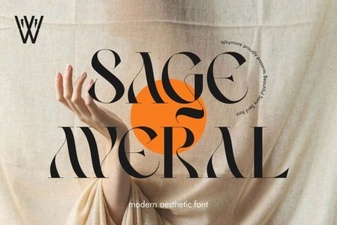 Sage Averal Font: Creative Design Projects
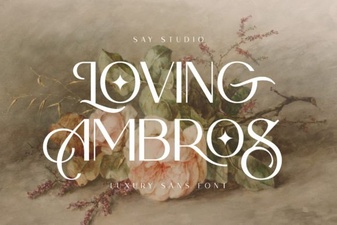 Loving Ambros Font: Creative Typography Projects
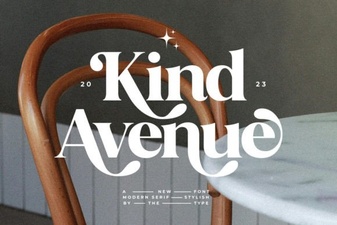 Unlock Creativity with the Kind Avenue Font
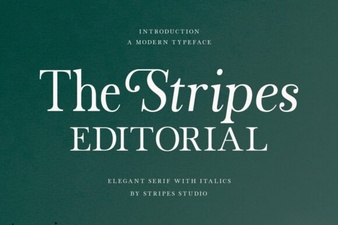 The Stripes Editorial Font: Style & Function Guide
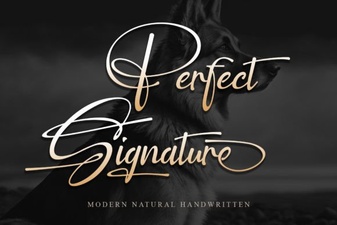 The Best Fonts for a Signature & How to Use Them
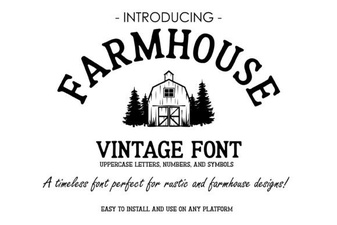 Vintage Farmhouse Fonts for Creative Projects